

A little black barge demon with theft in mind.
The Schipperke looks like a cute little fox-shaped houseguest until the alarms, escape attempts, and unpaid security work begin. This is a sharp, busy watchdog in a compact body, not a decorative pocket shadow who’ll politely ignore bad management.
Bring this one home because it’s small and funny, and you’ll find out fast that size doesn’t cancel attitude. A potential owner needs structure, humor, secure boundaries, and enough daily brain work to keep the little criminal enterprise from expanding.
Breed Snapshot
Other Names: Schip, Little Captain, Belgian Barge Dog
Colors / Pattern Variations: Black

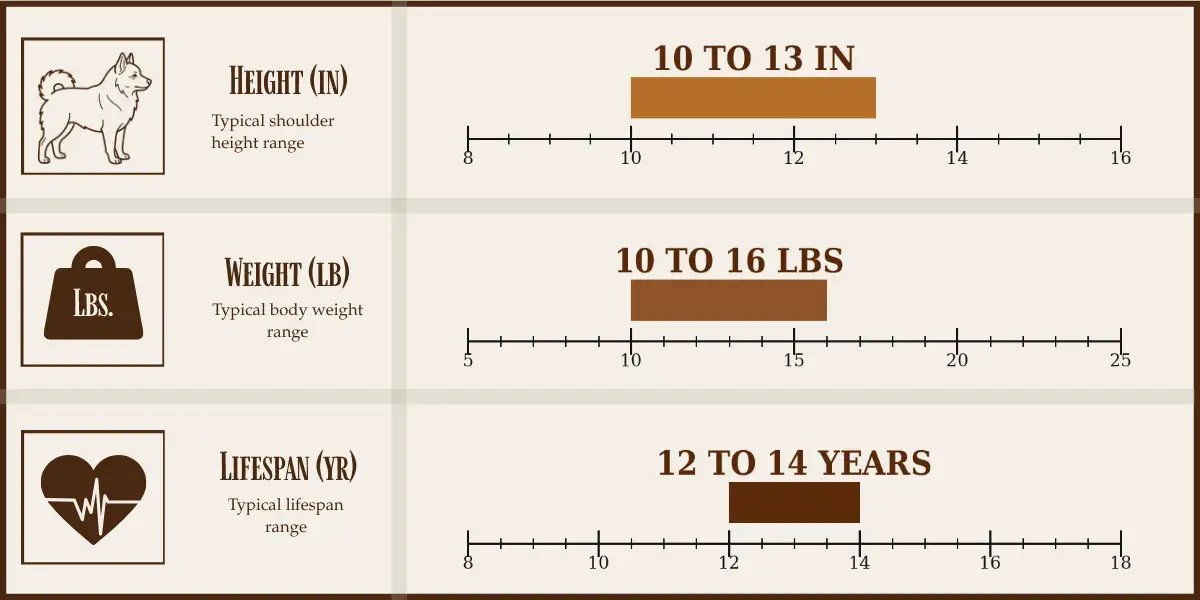
Average Lifespan: 12 to 14 years
Male Size: 11-13 in; 10-16 lbs
Female Size: 10-12 in; 10-16 lbs
Historical Purpose & Job
This Belgian barge and shop dog earned its keep as a watchdog, vermin hunter, and general-purpose trouble detector around working spaces.
That background built quick reactions, suspicion of anything out of place, serious alert barking, and a talent for finding problems nobody asked it to investigate.
Modern homes usually get the watchdog first and the cute companion second. Without rules, outlets, and supervision, the charm turns into barking, stealing, door-dashing, and tiny-dog tyranny with excellent timing.

Core Personality & Social Nature
Bright, bold, nosy, and deeply self-employed, this dog likes being involved in everything and rarely waits for permission before forming an opinion.
Best match: a person who enjoys clever chaos, teaches clear house rules, and can laugh without letting the dog run the entire neighborhood security program.
A soft, inconsistent, or noise-sensitive home can get steamrolled by this little manager. Give too much freedom too soon and the dog won’t become independent; it’ll become an unsupervised project with teeth.

Family & Children Compatibility
Rating: ★★★☆☆
With respectful kids, this can be a lively little companion, but it’s not a stuffed animal with legs. Children need to understand space, handling, and the difference between play and pestering before the dog starts filing complaints in bark.
Dog Compatibility & Social Risk
Rating: ★★★☆☆
Dog relationships can work when introductions are thoughtful and boundaries are clear. Pushy greetings, rude housemates, or unmanaged excitement can bring out the bossy little referee nobody hired.
Cat Compatibility & Prey Risk
Rating: ★★☆☆☆
Cats may be accepted if raised carefully together, but chasing is still on the menu if movement gets exciting. Supervision matters, because confidence plus speed isn’t a peace treaty.
Small Animal Compatibility & Prey Risk
Rating: ★★☆☆☆
Small pets are a bad bet around a dog with vermin-hunting history and very little interest in moral reflection. Secure housing and separation are the responsible plan, not hopeful little floor meetings.

Grooming Needs & Maintenance
Rating: ★★★☆☆
Coat Type: Its coat looks simple until shedding season arrives and the little black glitter starts appearing like evidence. It’s a dense double coat that drops hair, especially during seasonal blowouts.
Care Needs: Routine brushing keeps the coat manageable, and nails, teeth, and ears still need the same boring maintenance every dog owner tries to pretend is optional. Skip grooming and the dog won’t look rustic; it’ll just look neglected.
Training Overview
Trainability Rating: ★★★★☆ Consistency Required Rating: ★★★☆☆
Training has to be smart, fast, and consistent. This dog gets bored quickly, notices loopholes immediately, and will happily turn weak follow-through into a personal hobby.
Focus on recall, quiet cues, door manners, impulse control, handling, and rewarding calm before the bark-and-bolt routine becomes the household soundtrack.
Nagging, yelling, and repeating cues just teach the dog that humans make background noise. Letting bad habits rehearse because they’re funny while the dog is small is how cute nonsense becomes a permanent operating system.

Exercise Overview
Physical Exercise Needs: ★★★☆☆
Exercise doesn’t need to be extreme, but it does need to happen every day. A bored little watchdog with no outlet will create one, and it probably won’t improve your home value.
Brisk walks, active play, sniffing, and controlled games usually fit better than mindless mileage. Keep it varied, because this brain doesn’t thrive on the same dull loop forever.
Mental Exercise Difficulty Rating: ★★★☆☆
Mental work is nonnegotiable: food puzzles, trick training, scent games, manners practice, and small jobs give the busy little brain somewhere useful to go.
Containment & Boundary Management
Rating: ★★★☆☆
Boundary planning needs to be taken seriously even though the dog is small. Gaps, doors, gates, and sloppy leash habits are opportunities, and this one has never met an opportunity it didn’t want to test.

Health Watch
The Schipperke may look athletic and happy-go-lucky, but genetics don’t sign off on wishful thinking. This is an active sporting breed with real health considerations, and responsible owners should care about screening, breeder transparency, safe athletic management, early warning signs, and long-term veterinary planning before small problems turn into expensive emergencies.
- Patellar Luxation – The kneecap is supposed to ride in a groove at the front of the knee. With patellar luxation, it slips out.
- Legg-Calvé-Perthes Disease (LCP) – The blood supply to the ball of the hip gets disrupted, the bone starts to die, and the top of the femur slowly collapses.
- Hypothyroidism – The thyroid is one of the body’s metabolic thermostats. When it underperforms, the dog’s system runs too slow.
- Progressive Retinal Atrophy (PRA) – PRA is inherited eye degeneration. The retina slowly loses function, usually starting with night vision, then daytime vision, and eventually the dog may go blind.
- Mucopolysaccharidosis Type IIIB (MPS IIIB) – The body is supposed to break down certain cellular materials. In MPS IIIB, that cleanup system fails, waste builds up inside cells, and the nervous system slowly suffers.
Learn More About the Schipperke
- Schipperke Club of America – Official breed club info, history, and breeder education.
- Schipperke AKC Breed Profile – General overview, temperament notes, and basic care guidance.
- VCA Hospitals – Schipperke Breed Profile – Vet-reviewed breed overview covering health tendencies, care needs, and day-to-day management from a clinical, owner-friendly perspective.
- Spruce Pets – Schipperke Breed Profile – – Owner-centered lifestyle breakdown, including grooming and day-to-day realities.
Zero Woofs Reality Check
A better-fit dog is not settling. It’s basic self-preservation. The short version: exercise, mouth manners, mud tolerance, and impulse control plus daily outlets that use the brain without creating a lunatic. If that clashes with your schedule, patience, budget, or household, the quiz is cheaper than regret.
Take the Zero Woofs Given Dog Breed Compatibility Quiz to find a dog that actually fits your lifestyle (instead of your ego).
If you want the brutal truth about hundreds of breeds before you make a questionable life choice, grab Woof-a-Pedia: The Brutally Honest Dog Breed Guide from the ZWG shop.